
Products
Navigation
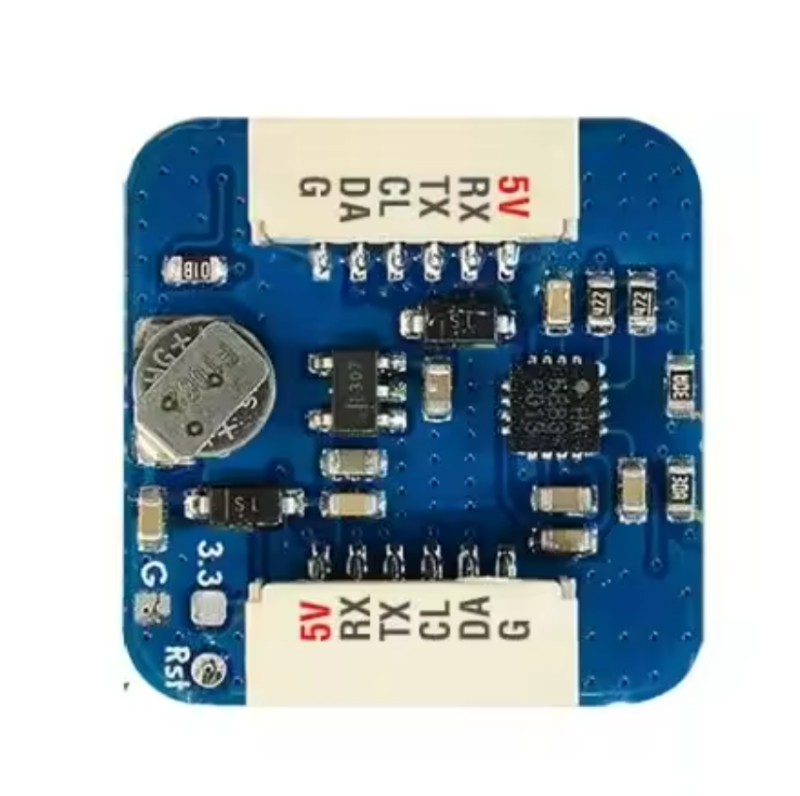
GPS Module
Phone :+86 166 7815 1397
WhatsApp :+86 166 7815 1397
Email :roger@sino-group.com
shopping cart
◉ Product Parameters
Key Features & Specifications
1. Multi-Band, Multi-Constellation Reception:* Constellations: It can receive signals from all major global satellite systems simultaneously:
* GPS (USA)
* GLONASS (Russia)
* Galileo (EU)
* BeiDou (China)
* QZSS (Japan)
* SBAS (WAAS, EGNOS, etc.)
* Frequency Bands: It uses L1 + L5 frequency bands. This is the key to its high accuracy. Receiving two frequencies allows themodule to correct for signal delays caused by the Earth's ionosphere
2. High Precision & Accuracy:
* Standalone (SBAS): ~1 meter
* With RTCM Corrections (RTK): ~1 cm + 1 ppm horizontally
* With RTCM Corrections (PPP): ~10 cm
3. Correction Services & Technologies:
* RTK (Real-Time Kinematic): This is its primary mode for centimeter-level accuracy. It requires a stream of correction data from a base station (either your own or a paid/caster service like NTRIP) via a communication link (e.g., cellular)
* PPP (Precise Point Positioning): A method that uses correction data from global networks, which can be delivered via satellite(e.g., SPARTN protocol for u-blox's PointPerfect service). It offers decimeter-level accuracy without needing a local base station.
4.High Performance Specs:
* Max Navigation Update Rate: Up to 25 Hz (25 times per second).
*Time-To-First-Fix (Cold Start): ~26 s.
*Dual Antenna Support (Option): Some configurations support a second antenna for determining heading directly, which is excellent for vehicles and drones.
5. Interfaces:
* UARTs (x4): For configuration, data output, and receiving correction data.
* USB 2.0: For easy connection to a computer.
* I2C: For connecting to other sensors or peripherals.
* SPI: For high-speed communication.
* DDC (I2C-compatible): For connecting u-blox GNSS chipsets together.
*CAN: For robust communication in automotive/vehicle environments.
* Standalone (SBAS): ~1 meter
* With RTCM Corrections (RTK): ~1 cm + 1 ppm horizontally
* With RTCM Corrections (PPP): ~10 cm
3. Correction Services & Technologies:
* RTK (Real-Time Kinematic): This is its primary mode for centimeter-level accuracy. It requires a stream of correction data from a base station (either your own or a paid/caster service like NTRIP) via a communication link (e.g., cellular)
* PPP (Precise Point Positioning): A method that uses correction data from global networks, which can be delivered via satellite(e.g., SPARTN protocol for u-blox's PointPerfect service). It offers decimeter-level accuracy without needing a local base station.
4.High Performance Specs:
* Max Navigation Update Rate: Up to 25 Hz (25 times per second).
*Time-To-First-Fix (Cold Start): ~26 s.
*Dual Antenna Support (Option): Some configurations support a second antenna for determining heading directly, which is excellent for vehicles and drones.
5. Interfaces:
* UARTs (x4): For configuration, data output, and receiving correction data.
* USB 2.0: For easy connection to a computer.
* I2C: For connecting to other sensors or peripherals.
* SPI: For high-speed communication.
* DDC (I2C-compatible): For connecting u-blox GNSS chipsets together.
*CAN: For robust communication in automotive/vehicle environments.
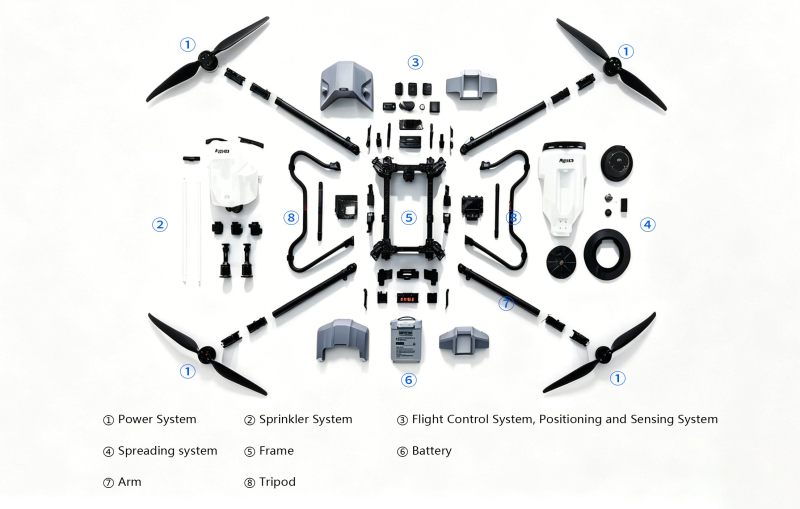
◉ Exploded view of drone
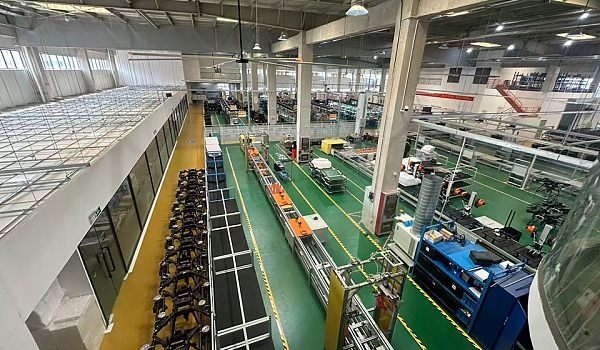
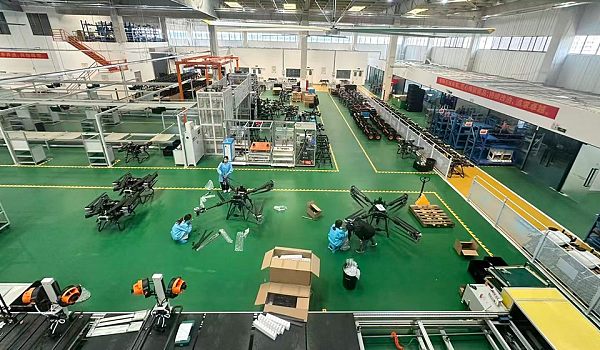
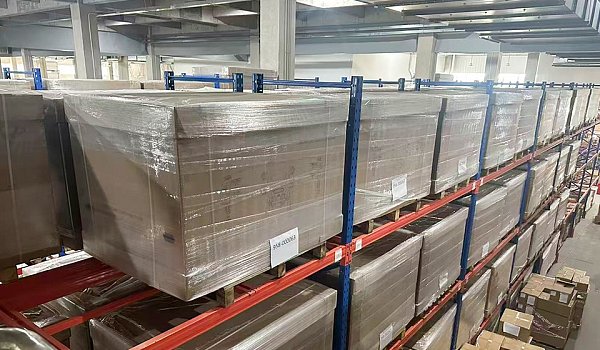
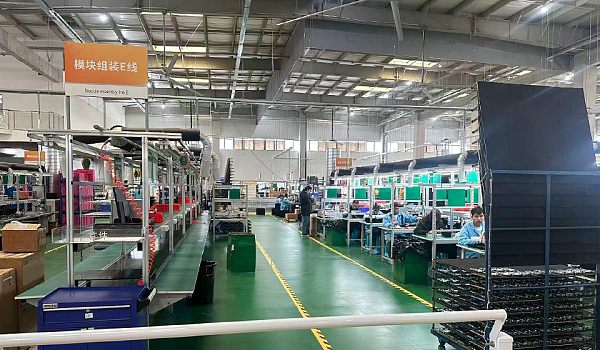
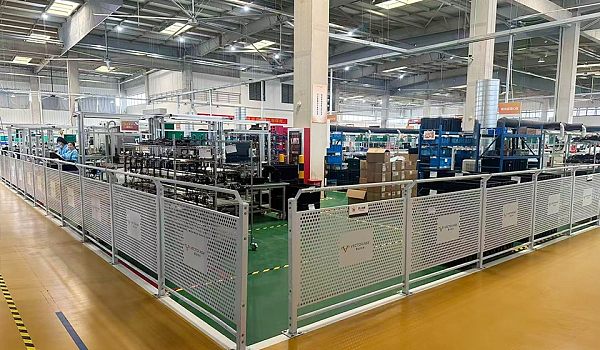
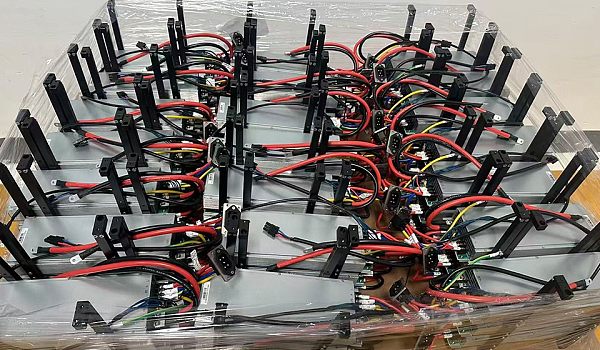
◉ Factory show

Contact us online
Related Products
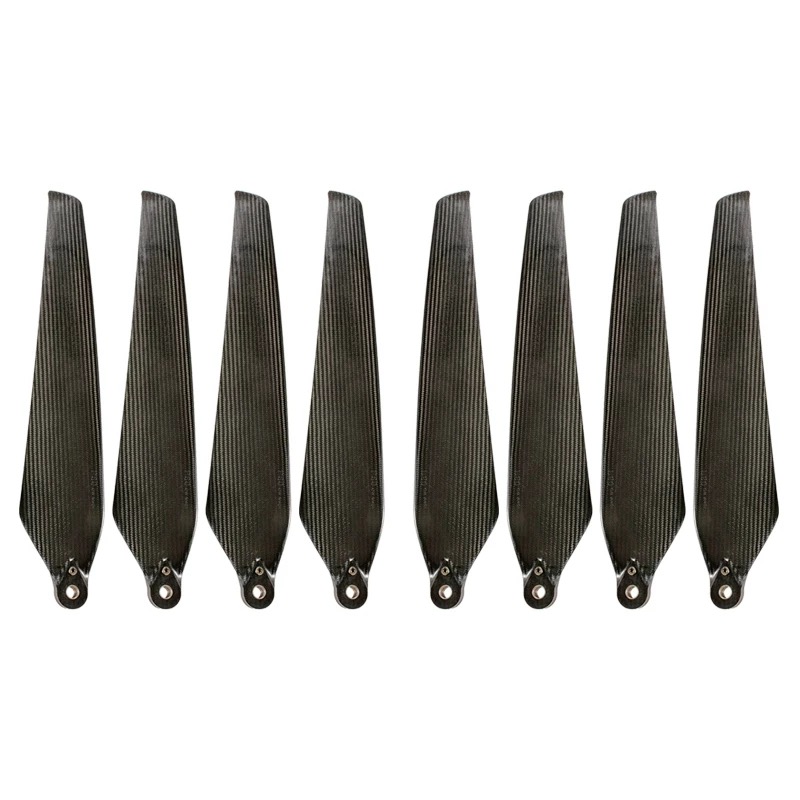
 DJI T70 T70 ST70 PT100 ST55 carbon fiber 6223 propeller blades reinforced with pesticide coating
 DJI T70 T70 ST70 PT100 ST55 carbon fiber 6223 propeller blades reinforced with pesticide coating
 DJI T70 T70 ST70 PT100 ST55 carbon fiber 6223 propeller blades reinforced with pesticide coating
 DJI T70 T70 ST70 PT100 ST55 carbon fiber 6223 propeller blades reinforced with pesticide coating
 DJI T70 T70 ST70 PT100 ST55 carbon fiber 6223 propeller blades reinforced with pesticide coating
 DJI T70 T70 ST70 PT100 ST55 carbon fiber 6223 propeller blades reinforced with pesticide coating
 DJI T70 T70 ST70 PT100 ST55 carbon fiber 6223 propeller blades reinforced with pesticide coating
 DJI T70 T70 ST70 PT100 ST55 carbon fiber 6223 propeller blades reinforced with pesticide coating
 DJI T70 T70 ST70 PT100 ST55 carbon fiber 6223 propeller blades reinforced with pesticide coating
 DJI T70 T70 ST70 PT100 ST55 carbon fiber 6223 propeller blades reinforced with pesticide coating
 L430 Agricultural Drone
 L440 Agricultural Drone
 L450 Agricultural Drone
 L465 Agricultural Drone
Agricultural Drone") Y416(16L)Agricultural Drone
Y416(16L)Agricultural DroneAgricultural Drone") Y420(20L)Agricultural Drone
Y420(20L)Agricultural DroneAgricultural Drone") Y430(30L)Agricultural Drone
Y430(30L)Agricultural DroneAgricultural Drone") Y852(52L)Agricultural Drone
Y852(52L)Agricultural DroneAgricultural Drone") Y8160P(72~82 L)Agricultural Drone
Y8160P(72~82 L)Agricultural Drone
Send Your Inquiry
We welcome your cooperation and we will develop with you.