
News
Drone Cargo Transport & Parcel Delivery
May 09, 2026
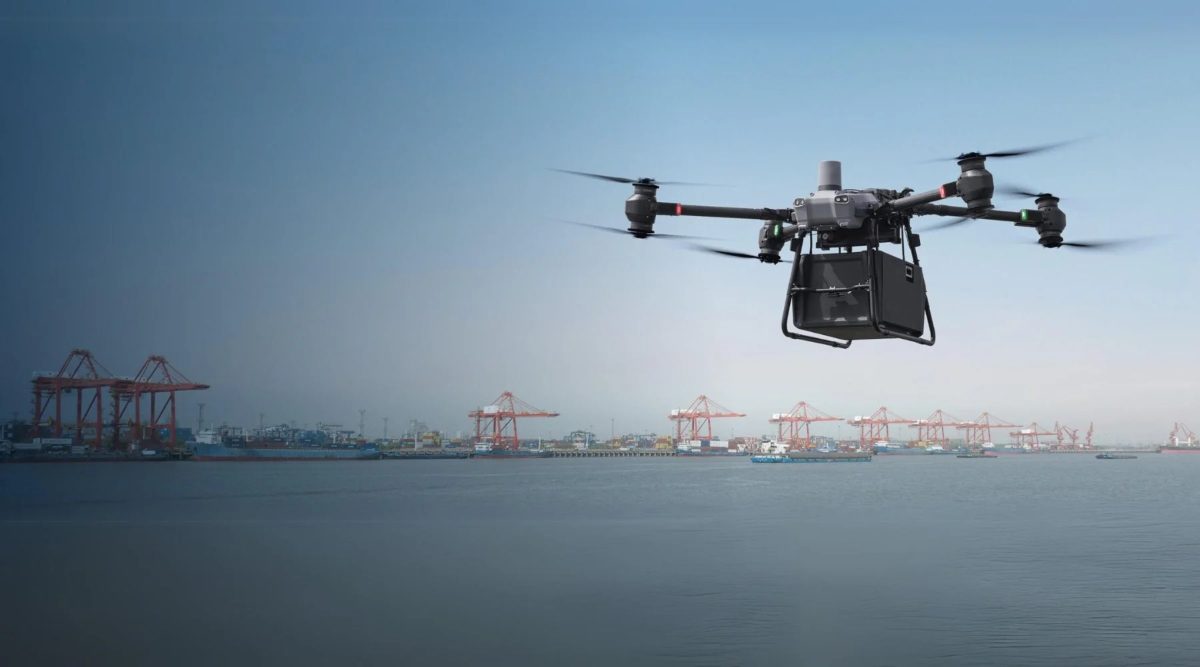
As global logistics demands continue to rise, traditional transportation systems are facing increasing pressure from traffic congestion, rising delivery costs, labor shortages, and limited infrastructure access.
Today, cargo drones and autonomous delivery UAVs are transforming the logistics industry by enabling faster, smarter, and more flexible transportation solutions.
From parcel delivery and medical supply transport to emergency logistics and remote area distribution, drone delivery technology is reshaping the future of smart transportation and supply chain management.
Why Traditional Logistics Systems Face Growing Challenges
Traditional transportation and delivery methods often encounter multiple operational limitations:
Common Pain Points
- Traffic congestion in urban areas
- Poor road infrastructure in rural regions
- Slow last-mile delivery efficiency
- Rising fuel and labor costs
- Difficult access to remote locations
- Delayed emergency response times
As e-commerce and on-demand delivery services continue expanding worldwide, businesses require faster and more intelligent logistics solutions.
How Cargo Drones Are Transforming Modern Logistics
Drone logistics systems offer major advantages over traditional transportation methods.
1. Faster Delivery by Avoiding Traffic Congestion
Traditional Urban Delivery Challenges
In major cities, delivery vehicles frequently face:
- Heavy traffic congestion
- Long delivery delays
- Increased fuel consumption
- Limited same-day delivery capabilities
This directly impacts customer experience and operational efficiency.
Drone Delivery Advantages
Unlike ground vehicles, delivery drones fly above road traffic through low-altitude airspace, dramatically improving delivery speed.
Key Benefits
- Faster parcel delivery
- Reduced transportation time
- Improved same-day delivery efficiency
- Lower operational costs
- Enhanced customer satisfaction
Ideal Applications
- E-commerce logistics
- Food delivery
- Express courier services
- Retail distribution
- Medical transportation
As smart city infrastructure evolves, autonomous delivery drones are becoming a core component of modern urban logistics.
2. Reaching Remote and Infrastructure-Poor Areas
Challenges in Rural and Remote Regions
Many rural, mountainous, offshore, and disaster-affected areas suffer from inadequate transportation infrastructure.
Traditional delivery systems often struggle with:
- Poor road conditions
- Geographic barriers
- Long transportation times
- Limited accessibility
- High operating costs
Drone Logistics for Remote Delivery
Long-range cargo drones can easily access areas that are difficult or impossible for traditional vehicles to reach.
Drone Delivery Scenarios
- Rural supply delivery
- Mountain logistics
- Island transportation
- Offshore platform supply delivery
- Disaster relief transportation
Advantages of Drone Transportation
- Faster emergency response
- Reliable remote-area delivery
- Lower transportation costs
- Improved logistics efficiency
- Better connectivity for underserved regions
Drone transportation technology is especially valuable for humanitarian aid and medical supply distribution.
3. Flexible and Rapid Emergency Response
Traditional Emergency Logistics Problems
During natural disasters or medical emergencies, traditional transportation systems may become unreliable due to:
- Damaged infrastructure
- Blocked roads
- Severe weather conditions
- Traffic congestion
This can significantly delay critical deliveries.
Emergency Delivery Drone Solutions
Emergency response drones provide rapid deployment and highly flexible transportation capabilities.
Drones Can Quickly Deliver
- Medical supplies
- Vaccines
- Blood samples
- Emergency equipment
- Food and water
- Rescue materials
Key Emergency Delivery Benefits
- Immediate deployment
- Autonomous flight operations
- Real-time route optimization
- Faster life-saving deliveries
- Improved disaster response efficiency
In many emergency situations, drones can reduce response times dramatically compared with traditional transportation methods.
Core Drone Technologies Powering Smart Logistics
Modern drone logistics systems rely on advanced drone hardware and drone accessories to ensure safe, stable, and efficient operations.
Essential Drone Components & Accessories
Drone Batteries
High-performance drone batteries provide:
- Longer flight endurance
- Increased payload capacity
- Stable long-distance delivery performance
Advanced lithium batteries are essential for commercial cargo drone operations.
Drone Motors & Propulsion Systems
Industrial-grade drone motors and propulsion systems enable:
- Heavy payload lifting
- Stable flight control
- Improved transportation efficiency
Heavy-lift drone systems are critical for industrial logistics applications.
Flight Controllers & GPS Modules
Smart drone flight controllers and GPS modules support:
- Autonomous navigation
- Precision positioning
- Intelligent route planning
- Automatic return-to-home functions
These technologies improve both safety and delivery accuracy.
Drone Cameras & Sensors
Modern logistics drones integrate advanced:
- Drone cameras
- Obstacle avoidance sensors
- AI visual systems
- Real-time monitoring technologies
These systems enhance autonomous flight safety and operational reliability.
Drone Frames & Payload Systems
Heavy-duty drone frames and modular payload systems allow drones to transport different types of cargo efficiently.
Common Applications
- Medical delivery drones
- Industrial cargo drones
- Retail parcel drones
- Food delivery drones
Industries Benefiting from Drone Cargo Delivery
Drone logistics technology is rapidly expanding across multiple industries.
E-Commerce & Retail
Drone parcel delivery helps retailers achieve:
- Same-day delivery
- Faster shipping speeds
- Lower delivery costs
- Improved customer experience
Healthcare & Medical Logistics
Medical delivery drones are widely used for transporting:
- Vaccines
- Medicines
- Blood samples
- Emergency medical supplies
This is especially important in remote or disaster-affected areas.
Industrial & Energy Sectors
Industrial cargo drones support:
- Offshore logistics
- Mining supply transportation
- Energy infrastructure delivery
- Equipment transportation
Future Trends in Drone Logistics
AI-Powered Autonomous Delivery
Artificial intelligence will continue improving:
- Autonomous flight control
- Smart route optimization
- Traffic management
- Delivery scheduling
Smart City Integration
Future drone delivery systems will integrate with:
- Smart transportation networks
- Urban air mobility systems
- IoT logistics platforms
- Automated warehouses
Expansion of Drone Delivery Infrastructure
The future drone logistics ecosystem will include:
- Drone ports
- Automated charging stations
- Urban drone corridors
- Cloud-based fleet management systems
These developments will accelerate large-scale commercial drone delivery adoption worldwide.
Conclusion
Drone cargo transport and parcel delivery are revolutionizing modern logistics through faster, smarter, and more flexible transportation solutions.
By bypassing traffic congestion, reaching remote locations, and enabling rapid emergency response, cargo drones help businesses improve efficiency, reduce costs, and optimize supply chain operations.
As AI technology, autonomous flight systems, and drone accessories continue advancing, drone logistics will become an increasingly important part of the future global transportation industry.
Navigation
- Drone Cargo Transport & Parcel Delivery
- Agricultural Drone Applications: Transforming Modern Crop Protection and Smart Farming
- Drones Revolutionizing Energy Inspections: Transforming Power Grid, Pipeline, Solar, and Wind Turbine Maintenance
- Interference Execution Time of Drone Jammer: Influencing Factors and Analysis
Send Us A Message
Send Your Inquiry
We welcome your cooperation and we will develop with you.