
News
Agricultural Drone Applications: Transforming Modern Crop Protection and Smart Farming
Apr 22, 2026
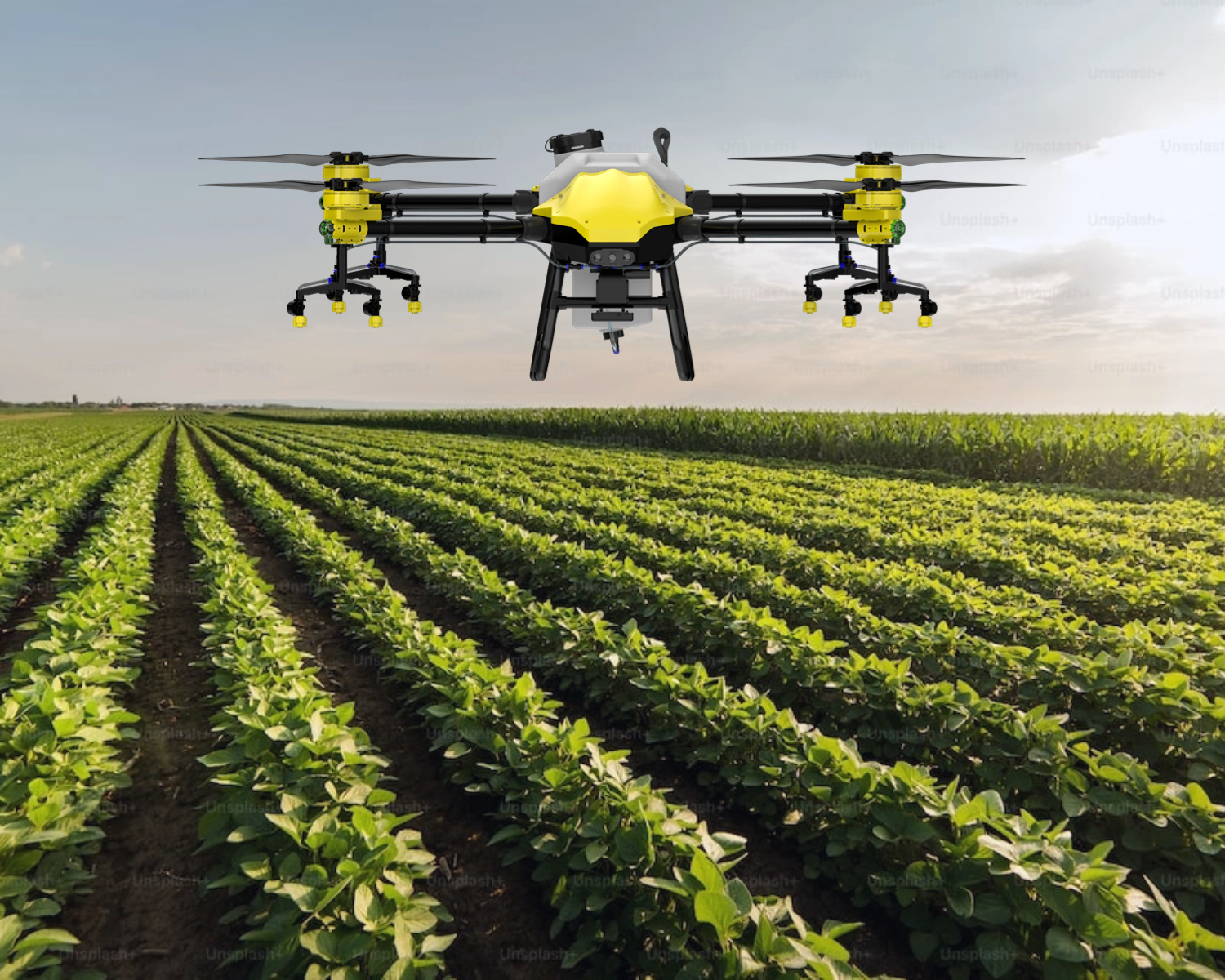
Agricultural Drone Technology: Early Detection, Data Insights & Future Trends
Early Detection of Pests and Diseases
Drone imaging technology helps farmers identify:
- Pest infestations
- Crop diseases
- Nutrient deficiencies
- Water stress
- Irrigation issues
Early detection enables farmers to take immediate action before problems spread across the field.
This significantly improves crop yield and reduces unnecessary pesticide use.
Real-Time Agricultural Data and Insights
Modern precision agriculture drones provide advanced analytics and field intelligence through AI-powered software platforms.
Farmers can access:
- NDVI vegetation maps
- Crop growth analysis
- Soil condition monitoring
- Plant health reports
- Yield prediction data
These real-time insights support smarter farming decisions and improve operational efficiency.
Cost-Efficient Farm Management
Drone crop monitoring reduces the need for extensive manual field inspections while improving decision-making accuracy.
Key cost-saving benefits include:
- Reduced labor expenses
- Lower chemical usage
- Optimized irrigation
- Increased crop productivity
- Faster response times
As a result, agricultural drone technology helps maximize both efficiency and profitability.
Why Agricultural Drones Are Essential for Precision Farming
The global agriculture industry is rapidly adopting drone technology due to its ability to combine:
- Automation
- Precision agriculture
- AI-powered analytics
- Sustainable farming practices
- Smart farm management
Agricultural drones are no longer just innovative tools — they are becoming critical infrastructure for modern farming operations.
Future Trends in Agricultural Drone Technology
The future of agricultural UAV applications will include:
AI-Powered Smart Farming
Artificial intelligence will further improve:
- Autonomous flight planning
- Pest recognition
- Crop disease prediction
- Variable-rate spraying
- Integration with IoT and Big Data
Agricultural drones will increasingly connect with:
- Smart irrigation systems
- Weather monitoring platforms
- Farm management software
- Satellite imaging systems
This creates a fully connected precision agriculture ecosystem.
Sustainable Agriculture Development
Drone technology supports environmentally friendly farming by:
- Reducing chemical overuse
- Lowering fuel consumption
- Minimizing soil compaction
- Improving resource efficiency
As sustainability becomes more important globally, drone-assisted farming will continue expanding.
Conclusion
Agricultural drones are transforming crop protection and precision farming through efficient spraying, intelligent crop monitoring, and data-driven farm management.
From reducing labor costs to improving operational accuracy and sustainability, agricultural UAV solutions provide major advantages over traditional farming methods.
As smart agriculture continues evolving, agricultural drones will play a central role in helping farmers achieve higher yields, lower costs, and more sustainable farming practices.
Navigation
- Drone Cargo Transport & Parcel Delivery
- Agricultural Drone Applications: Transforming Modern Crop Protection and Smart Farming
- Drones Revolutionizing Energy Inspections: Transforming Power Grid, Pipeline, Solar, and Wind Turbine Maintenance
- Interference Execution Time of Drone Jammer: Influencing Factors and Analysis
Send Us A Message
Send Your Inquiry
We welcome your cooperation and we will develop with you.