
News
Drones Revolutionizing Energy Inspections: Transforming Power Grid, Pipeline, Solar, and Wind Turbine Maintenance
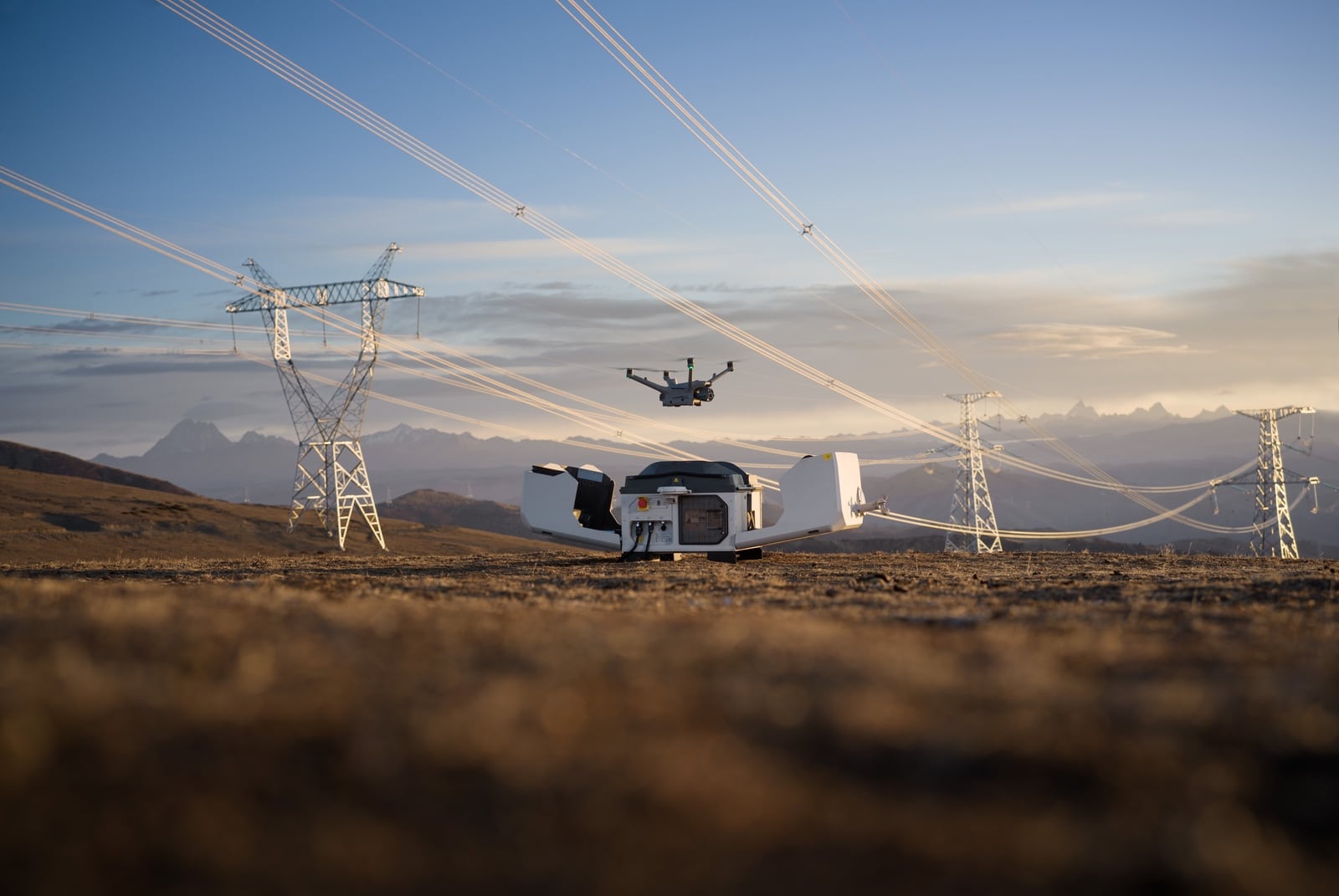
As the global energy industry accelerates toward digital transformation and smart infrastructure management, drone inspection technology is becoming a critical solution for energy companies worldwide. From power line inspections and oil & gas pipeline monitoring to solar panel analysis and wind turbine maintenance, industrial inspection drones are redefining how energy assets are managed.
Compared with traditional inspection methods, drone-based inspection solutions significantly improve operational safety, reduce maintenance costs, and deliver faster, more accurate data collection.
This article explores the major application scenarios of inspection drones in the energy sector and explains why drone inspection systems are becoming essential for modern infrastructure management.
What Are Energy Inspection Drones?
Energy inspection drones, also known as industrial UAV inspection systems, are unmanned aerial vehicles equipped with advanced imaging technologies such as:
High-resolution cameras
Thermal imaging sensors
LiDAR systems
AI-powered analytics software
Infrared inspection technology
These drones are designed to inspect, monitor, and analyze critical infrastructure safely and efficiently across multiple industries.
Common applications include:
Power line inspection
Power grid monitoring
Pipeline inspection
Solar farm inspection
Wind turbine inspection
Utility infrastructure monitoring
Energy asset management
1.Power Line and Grid Inspection
Traditional Power Grid Inspection Challenges
Traditional electricity transmission and power grid inspections often involve dangerous, labor-intensive, and time-consuming procedures.
Utility companies frequently face challenges such as:
Hazardous working environments
High-altitude inspection risks
Difficult terrain accessibility
Long maintenance cycles
Delayed fault detection
Expensive helicopter inspections
Increased operational downtime
Manual inspection methods can also struggle to identify small defects before they become major infrastructure failures.
How Drones Improve Power Line Inspections
Drone inspection technology offers a faster, safer, and more cost-effective solution for utility infrastructure monitoring.
Enhanced Operational Safety
One of the most important benefits of drone power line inspection is improved worker safety.
Instead of requiring personnel to climb towers or operate helicopters near high-voltage lines, drones can remotely inspect transmission infrastructure while operators remain at a safe distance.
Benefits include:
Reduced workplace accidents
Lower exposure to high-voltage risks
Safer inspections in harsh weather conditions
Minimized need for dangerous manual inspections
For utility companies, drone-based inspections significantly reduce operational risk while improving compliance with safety regulations.
Faster and More Efficient Inspections
Compared with conventional inspection methods, power line inspection drones can cover large areas rapidly and efficiently.
Drones are capable of inspecting:
Transmission towers
Distribution lines
Electrical substations
Utility poles
Remote power infrastructure
This enables energy companies to:
Reduce inspection times
Improve maintenance scheduling
Minimize power outages
Increase operational efficiency
Drone utility inspections are especially valuable for large-scale electricity grids and remote infrastructure networks.
Accurate Fault Detection and Advanced Data Analysis
Modern utility inspection drones are equipped with high-resolution optical cameras, infrared thermal imaging systems, and AI-powered analytics tools.
These technologies help detect:
Damaged insulators
Corrosion
Loose connectors
Overheating components
Vegetation encroachment
Structural damage
Electrical faults
Real-time drone inspection data allows maintenance teams to identify problems early and take preventive action before failures occur.
This predictive maintenance approach helps reduce repair costs and improve grid reliability.
2. Pipeline Inspection and Oil & Gas Monitoring
Challenges in Traditional Pipeline Inspection
Oil and gas pipeline networks often extend across vast and difficult terrains, making traditional inspections expensive and inefficient.
Common challenges include:
Remote area accessibility
Environmental hazards
Long inspection cycles
Leak detection delays
High manpower costs
Drone-Based Pipeline Inspection Solutions
Pipeline inspection drones provide continuous aerial monitoring with high-precision imaging and thermal sensing capabilities.
Drone systems can efficiently inspect:
Oil pipelines
Gas pipelines
Petrochemical facilities
Storage tanks
Offshore infrastructure
Benefits include:
Faster leak detection
Reduced environmental risks
Lower inspection costs
Improved regulatory compliance
Enhanced infrastructure security
Thermal imaging drones can quickly identify temperature anomalies associated with leaks or equipment malfunctions.
3. Solar Panel Inspection
Traditional Solar Farm Inspection Limitations
Inspecting large solar farms manually is highly time-consuming and often inefficient.
Solar operators frequently struggle with:
Difficulty locating faulty panels
Production efficiency losses
Labor-intensive inspections
Delayed maintenance response
Drone Solar Inspection Advantages
Solar inspection drones equipped with infrared thermal cameras can rapidly scan thousands of solar panels and identify underperforming modules.
Drone-based solar inspections help detect:
Hot spots
Cracked panels
Dust accumulation
Electrical failures
Connection issues
Key advantages include:
Faster inspections
Reduced maintenance costs
Improved energy efficiency
Higher solar power generation performance
For utility-scale solar farms, drone inspection technology dramatically improves maintenance efficiency.
4. Wind Turbine Inspection
Challenges in Traditional Wind Turbine Maintenance
Wind turbine inspections traditionally require rope-access technicians or cranes, resulting in:
High operational costs
Safety risks
Long turbine downtime
Difficult offshore access
Drone Inspection for Wind Turbines
Wind turbine inspection drones provide safer and faster blade inspections using AI-powered imaging systems.
Drones can detect:
Blade cracks
Lightning strike damage
Surface erosion
Structural defects
Benefits of drone wind turbine inspections include:
Reduced maintenance downtime
Lower inspection costs
Increased worker safety
Improved renewable energy asset performance
Drone technology is especially valuable for offshore wind farms where access is challenging.
Why Drone Inspection Technology Is the Future of Energy Infrastructure
As energy infrastructure becomes larger and more complex, companies increasingly rely on drone inspection systems to improve operational efficiency and reduce maintenance costs.
Drone technology enables:
Predictive maintenance
Real-time infrastructure monitoring
AI-powered asset management
Automated inspection workflows
Safer industrial operations
Industrial inspection drones are rapidly becoming a core component of smart energy management systems.
Future Trends in Energy Inspection Drones
AI and Automated Defect Detection
Artificial intelligence is transforming drone inspections through:
Automated anomaly detection
Predictive maintenance analytics
Intelligent image recognition
Real-time fault alerts
Integration with Digital Twin Technology
Drone inspection data is increasingly integrated into digital twin platforms, enabling real-time infrastructure simulations and predictive modeling.
Expansion of Autonomous Drone Operations
Future drone inspection systems will support:
Fully autonomous flight missions
Automated charging stations
Remote cloud-based monitoring
24/7 infrastructure surveillance
This will further reduce inspection costs and improve operational scalability.
Conclusion
Drone inspection technology is revolutionizing the energy industry by delivering safer, faster, and more accurate infrastructure inspections.
From power grid inspections and pipeline monitoring to solar farm analysis and wind turbine maintenance, industrial drones are helping energy companies reduce risks, improve efficiency, and optimize asset performance.
As AI, automation, and smart infrastructure technologies continue evolving, drone inspection solutions will become increasingly essential for the future of global energy management.
Navigation
- Drone Cargo Transport & Parcel Delivery
- Agricultural Drone Applications: Transforming Modern Crop Protection and Smart Farming
- Drones Revolutionizing Energy Inspections: Transforming Power Grid, Pipeline, Solar, and Wind Turbine Maintenance
- Interference Execution Time of Drone Jammer: Influencing Factors and Analysis
Send Us A Message
Send Your Inquiry
We welcome your cooperation and we will develop with you.